

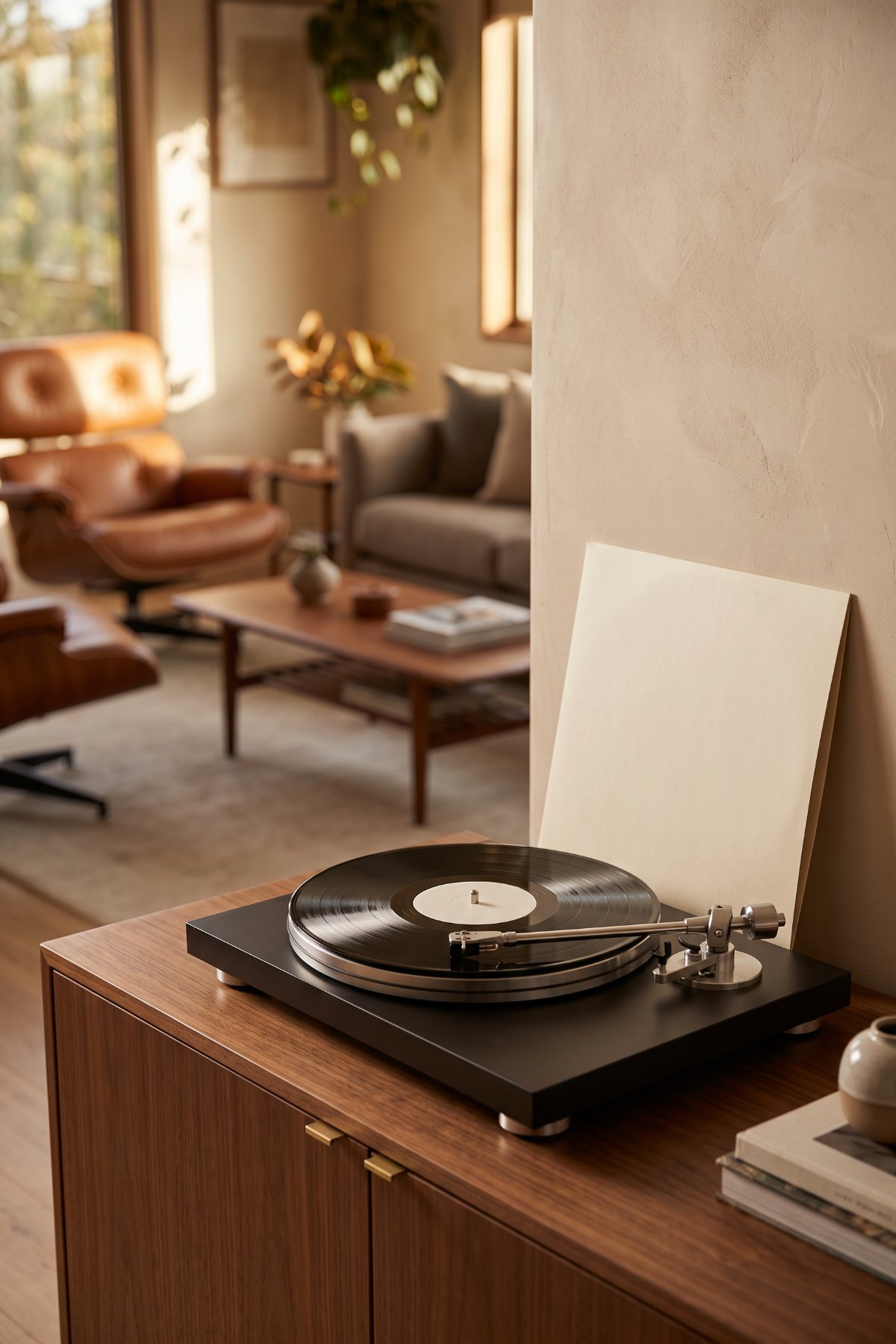
The record was Sinatra. “In the Wee Small Hours.” It went on in a room with other people and I didn’t say anything about it first.
That was new.
There had been a long period before that of explaining it in advance. Not quite an apology, but close. Someone would ask what I’d been listening to, or the music would come on in the car, and before anyone could react I’d already started managing the reaction for them. “I know it’s not exactly…” or “I go through phases with this stuff…” or the worst one, the one that should have embarrassed me more than it did: “It’s kind of ironic, but I actually…”
None of that was true. There was nothing ironic about it.
The music I kept coming back to, the stuff that actually fit the interior of a long drive or a quiet Sunday or a kitchen where something good was on the stove, was Sinatra. Not classic rock, which would have been defensible among my peers. Not something with obvious contemporary credibility attached. Frank Sinatra, the Capitol Records era, “In the Wee Small Hours” and “Only the Lonely” and the live recordings from the early sixties when he was the best he’d ever be and seemed to know it.
The footnote has a cost that’s easy to miss because it accumulates slowly. Every qualified preference is a small concession you repeat until the preference itself starts to feel optional. You forget why you liked the thing in the first place. You become genuinely uncertain whether you like it or just think you should. The apology, offered often enough, becomes its own kind of sincerity.
The thing about Sinatra that I’d been busy not saying for years is that he understood something about a particular kind of male experience that almost nothing else in the culture has touched since. Not the swagger. The other part. The part that’s three in the morning and entirely honest about what got left behind. The part that’s funny and tired and comfortable enough in its own skin to be tender without performing tenderness.
That’s not nostalgia. I want to be clear about that. I’m not listening to Sinatra because the past was better or because 1962 seems like a good place to live. I’m listening to him because he’s the most honest company I’ve found for certain hours of the day. Explaining that away would just be a different kind of performance.
The taste was never the problem. The footnote was.
The record played to the end of the side. Nobody asked me to account for myself. Nobody fell down.
I don’t explain it anymore.