
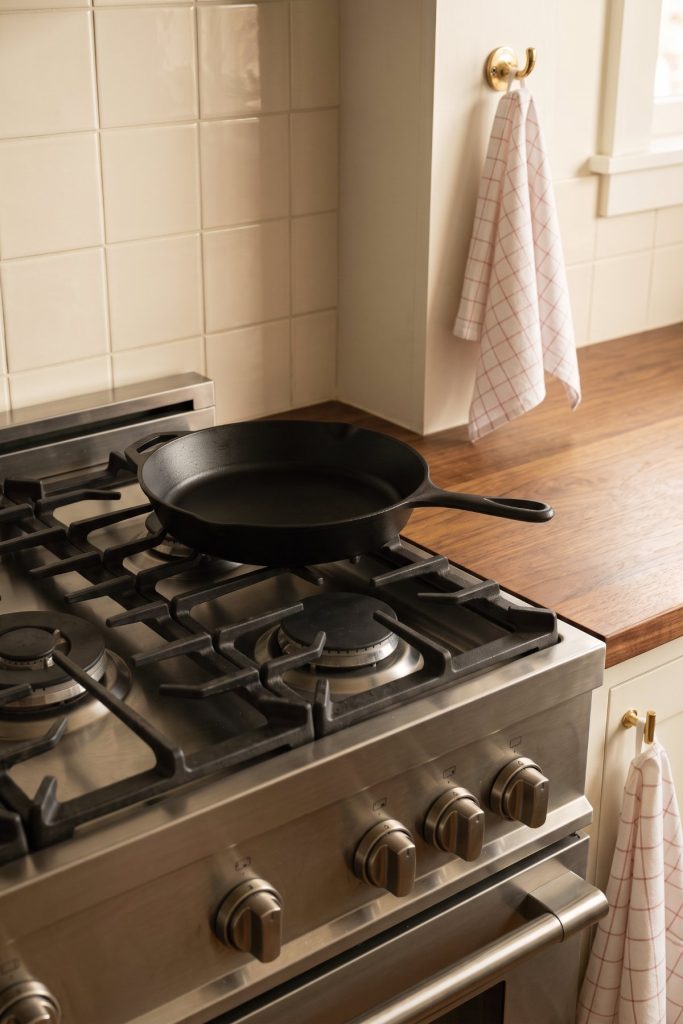
There is a pan on the back of my stove that I will never get rid of.
It is not impressive to look at. The handle has some age on it. The interior is seasoned past the point where you could tell someone what color it started as. It is heavy in a way that reminds you every time you pick it up that it was made when things were made to last rather than made to be replaced.
It makes gravy. That’s its whole job.
I have other pans. Better pans, arguably, by most of the measures cookware gets judged by these days. Pans with reputations and price tags and a certain kind of kitchen credibility that comes from being the right brand at the right moment. A few of those have come and gone. This one has not moved.
The reason is simple enough to say and surprisingly hard to honor in practice: it is exactly right for the thing it does. The weight distributes heat in a particular way. The depth is correct for the volume. The handle sits in the hand at an angle that feels less like a design decision and more like something that was worked out through actual use over actual time. Nothing about it is accidental, and nothing about it is trying to be more than it is.
That last part turns out to matter more than I expected.
There is a whole category of things that try to do too much, and kitchens are full of them. Appliances with fourteen functions, pans with coatings engineered for a list of cooking tasks broad enough to suggest nobody thought carefully about any of them. The implicit promise is versatility, which sounds like value and mostly delivers mediocrity. A thing optimized for everything is rarely the best choice for anything specific.
The pan on the back of my stove made a different bet. It does one thing, and it does that one thing better than anything I have tried before or since. The gravy that comes out of it has a quality I have not been able to reproduce in other vessels, which at first seemed like a coincidence and after enough years seems like information worth taking seriously.
I am not a sentimental person about objects. The things in my life that have accumulated meaning did so by earning it, not by existing long enough to become familiar. This pan is not here because it belonged to someone important or because throwing it away would feel wrong. It is here because every time I have considered replacing it, I have thought about what I would be replacing it with. I come up empty.
There is something worth understanding in that. The things that actually hold up tend to do so quietly, without making a case for themselves, while everything around them cycles through trends and upgrades and the particular restlessness that comes from mistaking novelty for improvement. They just keep being right. After a while, that consistency becomes its own argument.
Most of what gets called timeless is just old. Real timelessness is rarer and more specific, and it does not announce itself. It is the thing that keeps solving the problem better than the alternatives, year after year, without requiring you to make allowances for it or talk yourself into it. You reach for it because it works. That is the whole story.
The pan is on the back of the stove because that is where it lives. It will be there tomorrow. It will outlast the pans around it that cost more and promised more, but delivered less.
Some things are just right. You learn, eventually, to leave them alone.