

The last time I needed grit, I found it. That much I know.
There is a list, not a long one but a reliable one, of moments when the situation required something harder than habit and I delivered it. A job that needed taking. A person worth pursuing. A move that everyone around me thought was one thing and turned out to be something else entirely. Each time, the gear engaged. Each time, the thing got done. The internal jury reviewed the results and returned a verdict that has been difficult to argue with since: the system works.
That verdict is the problem.
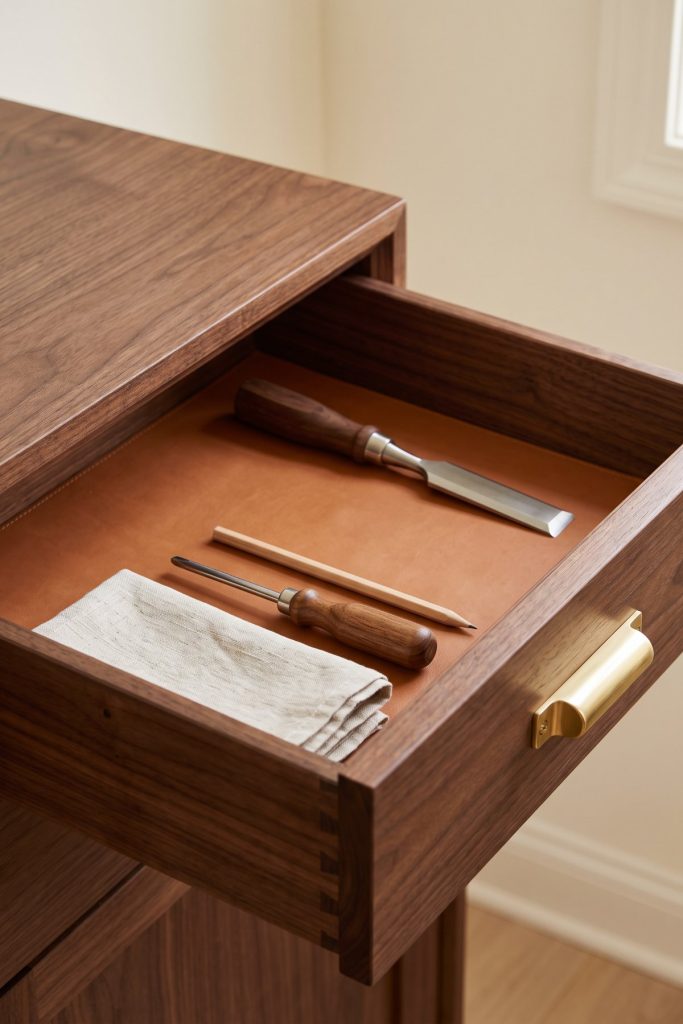
What I have done with grit, over the course of a life, is treat it the way you treat a specialty tool: the one kept in the back of the drawer because it is precisely right for a specific task and not needed for anything else. You know it is there. You know it works. The knowing is almost as good as the using, and considerably more comfortable.
The ceiling is the distance between those two things.
I have a low tolerance for bs. That is accurate, and I want to be precise about it because accuracy here is exactly what makes this difficult. The phrase is not a performance. It is a real reading of a real threshold, and it has served as a reliable filter for most of a life. The problem is that a low tolerance for bs sounds, from the inside, remarkably similar to discernment. It sounds like a standard. It can be made to sound, with very little effort, like self-knowledge, and the internal jury, which is supposed to be the instrument of precision, accepts that reading without much resistance because it arrived wearing the right credentials.
What I am describing is the most sophisticated self-deception available to a person who prides himself on not being deceived. The wiring that makes it harder to fool yourself turns out to be the mechanism by which you fool yourself most effectively, because the verdict comes back dressed in the language of honesty. Low tolerance for bs. High standards. These are all true and accurate, but ultimately, all beside the point.
The cost is not a missed title or an unfinished project. It is harder to name than that, which is part of why the internal jury keeps clearing it as acceptable. What goes untouched when grit is only deployed for acquisitions (the job, the house, the move) is something that has more to do with the texture of a life than a column of results. Self-confidence is part of it. Not the performed kind. The kind that accumulates only through the specific experience of pushing past the place where the internal voice said the pain level was fine and you pushed anyway. That kind is not available for purchase and cannot be approximated. You build by going past fine, or you do not build.
The thing about fine is that it is always just comfortable enough. Not happy, not thriving. Fine. Fine does not create the conditions for the math to force a question. They say you only change when the pain of remaining the same outweighs the pain of the change. What fine does is keep the first number low enough that the equation never resolves. The internal jury reviews the evidence, notes that things are functional, and adjourns.
The only-child wiring (the precision, the internal accounting, the reflex toward accuracy) is not failing when this happens. That is the thing worth sitting with. It is working exactly as designed. It is returning an honest verdict on the available evidence.
The ceiling is not a malfunction.
It is a limitation that looks, from the inside, exactly like a benefit.