

When my father died, a well-meaning friend brought a plant instead of flowers.
I understood the gesture. Flowers die within the week, which is its own kind of statement. A plant lives on. The intention was kindness, and I recognized it as such, but I have since concluded it was the cruelest of gifts for such an occasion. Every time I looked at it, I thought of exactly why I had it. I couldn’t throw it away. I could not give it away. I just had to take care of it and be reminded.
It was a philodendron. A large one, already substantial when it arrived, with broad dark leaves and the particular quality of a plant that intends to get bigger whether you are ready for it or not.
For almost four years, I kept it alive. This was not a small thing. I was living in an apartment, space was limited, and the plant grew steadily into a presence that demanded more room than I had mentally allocated for it. It needed repotting. I knew it needed repotting. The roots had long since made their case in the way plant roots do, quietly and then insistently. I kept not doing it. There was always something else, and the plant, being a plant, kept growing anyway, kept requiring water and light and attention, kept being there in the corner reminding me of a man I missed and a task I was avoiding in equal measure.
One Saturday I set it out on the deck for some sun. Spring light, the kind that arrives after a long winter and makes every living thing seem worth the effort. I left it there and forgot about it.
By Monday I remembered. The plant was still on the deck and already looked diminished, two days of unintended exposure having done what neglect does, which is reveal how fragile the arrangement always was. I told myself I would bring it in that evening. That night a thunderstorm came through, the serious kind, and by morning the pot was on its side, broken, the soil scattered, the plant in a condition past any reasonable intervention.
I stood on the deck for a moment and looked at it.
What I felt was not grief, exactly. Something quieter and more clarifying. The plant had been marking time for four years in a corner of my apartment, and I had been letting it, and now it was gone and I had not chosen to let it go. Time had made that decision for the both of us, the way it tends to, through the accumulation of small postponements and one sufficient storm.
There is a particular awareness that arrives at a certain point in life, not with drama but with the specific weight of a Tuesday morning when something small makes the larger thing suddenly legible. You realize that time has been moving at the same pace all along. You were just not paying attention in the right direction.
The philodendron needed repotting for the better part of a year before it died. I knew that. I kept meaning to get to it. What I understand now is that the plant was not the thing I was avoiding. I was avoiding the acknowledgment that time had requirements, that things left unattended do not simply wait, that the window for doing a thing does not stay open indefinitely out of courtesy.
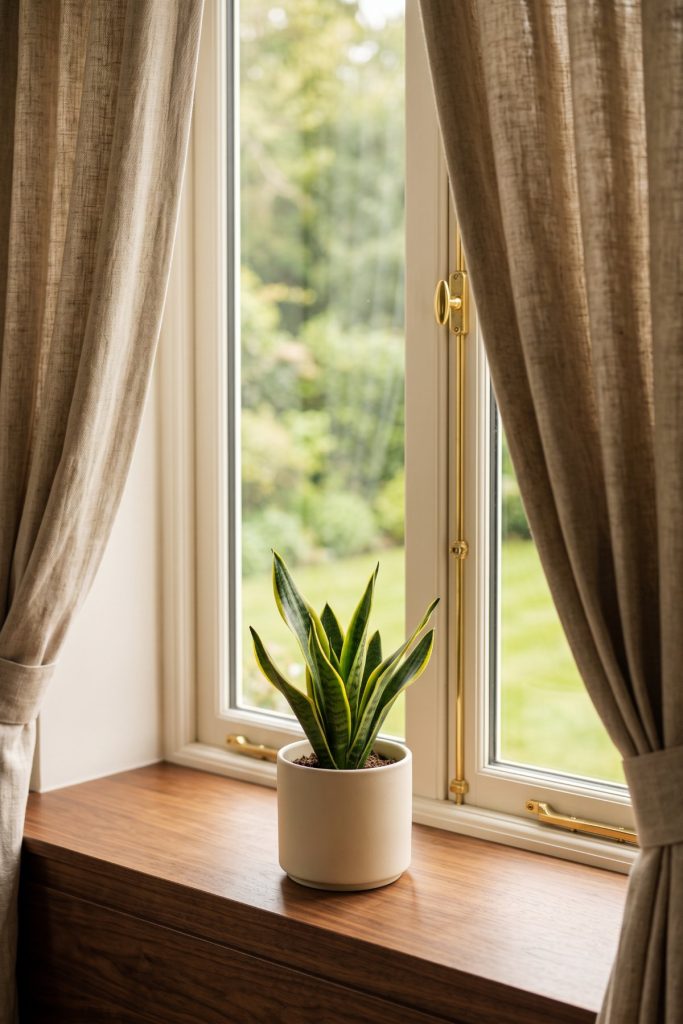
I bought a smaller plant after that. Something I could manage without negotiation. It sits on the windowsill and does not remind me of anything except that some things require tending and some things do not, and the wisdom is in knowing which is which and acting accordingly while you still have the option.