

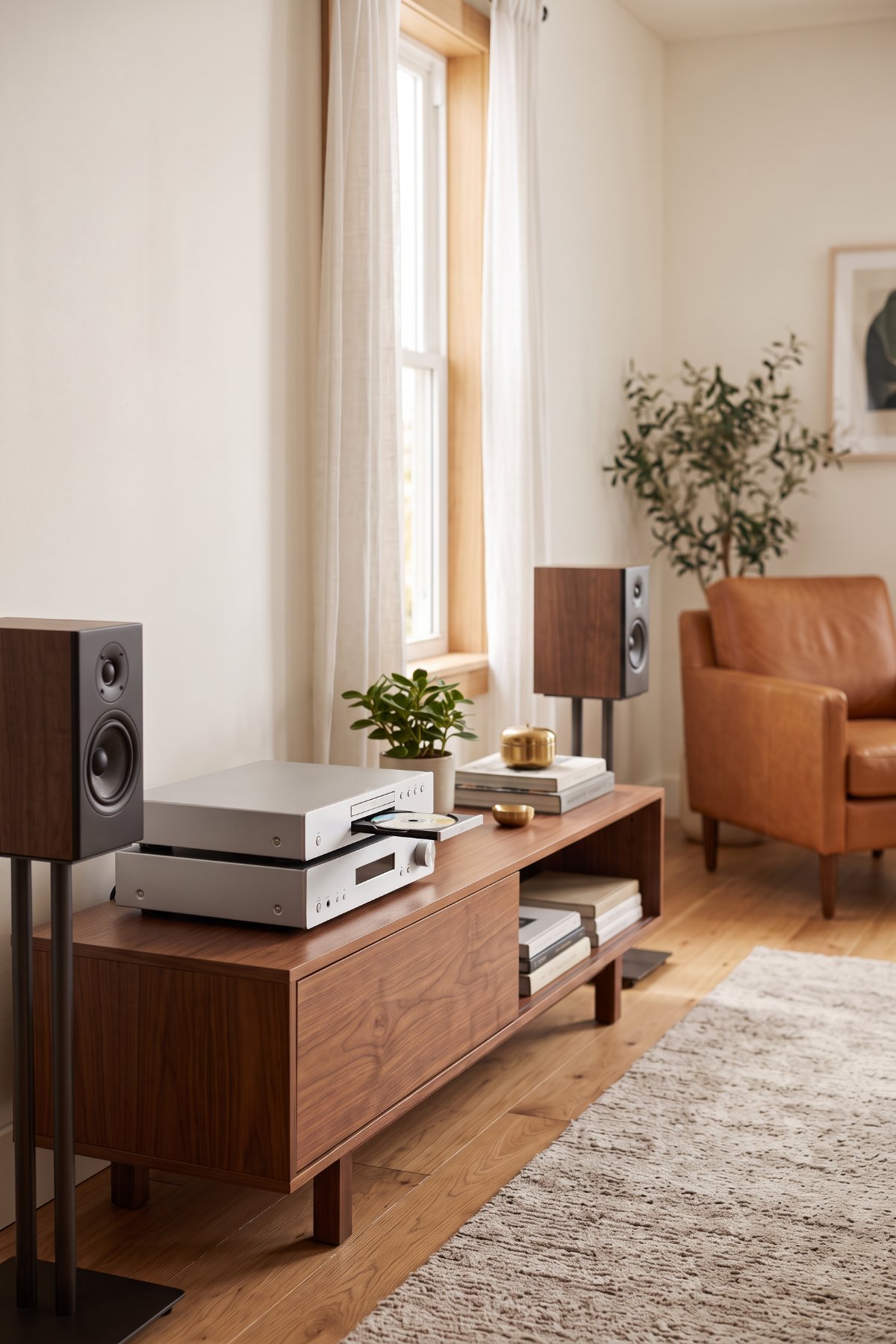
The air in the room is no longer stagnant. There is movement here now.
That sounds like a small thing. It is not a small thing.
Two weeks ago I moved the stereo back out to the living room, where it belongs, from the bedroom, where it had drifted the way things drift when you stop paying attention to what they require. It is not a complicated piece of equipment; a component system that has been in more rooms than I can accurately count, modest enough to carry without help, specific enough that nothing I have found since has made a convincing case for replacing it. I plugged it in, ran the cables, and put on the only George Howard CD I own.
If you know George Howard, you know. If you do not, he was a saxophonist who understood something about a particular register of feeling that most music only visits. He died in 1998 and left behind a small catalog and the specific quality of someone who spent his career saying one true thing rather than many complicated ones. The record is called “Do I Ever Cross Your Mind.” I own exactly one of his records because one turned out to be enough to know.
That was two weeks ago. I have listened to more music in the fourteen days since than in the several months before it combined.
This is what I mean when I talk about the filter, and the filter is not what most people think it is when they hear the word. It is not a preference list. It is not a set of criteria applied consciously before deciding whether something deserves your time. It is something quieter and more specific than that. Accumulated disappointment that finally learned to work faster. Enough hours with things that promised more than they delivered, until the gap between the promise and the thing became recognizable early. The recognition arrives before you finish the first track now. The barometer runs on its own.
But here is what the barometer cannot do: it cannot work in a bedroom. It cannot work through earbuds or a Bluetooth speaker on the kitchen counter or a phone propped against a water glass. Those are not wrong exactly. They are just not the conditions under which the thing actually happens. Moving the stereo back to the living room was not a decision about music. It was a decision about how seriously I was willing to take my own experience of it. The months of silence were not a failure of taste. They were a failure of conditions.
The filter is only as good as what you give it to work with. George Howard at the right volume in the right room is information. George Howard through earbuds while answering email is background. The music did not change. The conditions did, and the difference between those two things is the whole argument.
I am still calibrating. Something will come through this week that I was certain I had already decided about, and I will probably be wrong, and the barometer will file the correction without ceremony and keep running. That is how it is supposed to work. A filter that stopped taking in new information would just be a closed door with a frame around it.
The air is moving in this room. George Howard has something to do with that.
So does knowing, finally, where the stereo belongs.